About Me

My photo
Javea, Alicante, Spain
I graduated from Acupuncture Colleges Sydney in 1982 and have been in private practice since.I have also been a lecturer at said college and internationally for a number of years as well as a board member of the Australian Acupuncture and Chinese medicine Association (AACMA)including 2 terms as national president. Moved to Spain in 2001 and set up practice in Javea and Moraira (Alicante) Modalities: Acupuncture, Chinese herbs, manipulative therapy and veterinary Acupuncture. Fellow AACMA. Honorary member Acupuncture Ethics and Standards Organization. Active member World Federation of Acupuncture Societies.

Wednesday, 6 June 2018


It never ceases to amaze me that some people are recommended for Acupuncture when quite often they have had very little or no training in the subject. Please check qualifications and curriculum. Below you'll find the minimum standard in AU (where I come from). Anything less can be dangerous!!


Monday, 11 December 2017

Acupuncture outmatches drugs for IBS


Acupuncture and Chinese herbal medicine are found effective for the alleviation of IBS (irritable bowel syndrome). Two independent investigations confirm that acupuncture, as a standalone therapy, or acupuncture combined with the herbal formula Si Shen Wan (Four Miracle Pill) is safe and effective. Additionally, investigators confirm that acupuncture is more effective than loperamide, a synthetic opiate used to control diarrhea by inhibiting peristalsis (wavelike intestinal constriction and relaxation). 
Heilongjiang Traditional Chinese Medicine Hospital researchers determined that acupuncture, as a standalone therapy, produces a 92.19% total effective rate for the treatment of IBS. A group receiving loperamide plus Si Shen Wan achieved a 72.88% total effective rate. The acupuncture group outperformed the drug plus herbs group by 19.39%. The total effective rate includes all patients that completely recovered or those that had significant relief of symptoms with less frequency of IBS and improved daily life activity functioning.
In an independent investigation, Chongqing Nanchuan Traditional Chinese Medicine Hospital researchers determined that acupuncture plus Si Shen Wan is more effective than loperamide plus Si Shen Wan. Acupuncture plus Si Shen Wan was significantly more effective for the reduction of abdominal pain and discomfort and also for controlling bouts of excessive bowel movement frequency than loperamide plus Si Shen Wan. Acupuncture plus herbs was also successful in improving stool consistency and appearance, bloating, and fecal incontinence whereas the drug plus herbs group did not show significant improvements in these areas.
An SF-6 health survey (a variant of the SF-36), reveals that acupuncture plus herbs produces additional advantages over drugs plus herbs. Acupuncture plus herbs significantly improves the following: vitality, bodily pain levels, role limitations due to physical health, physical functioning, role limitations due to emotional health, mental health, social functioning. The drugs plus herbs group showed more modest improvements that were limited to only two of these areas of health: bodily pain levels, role limitations due to physical health.
An IBS-QOL (disease specific questionnaire) demonstrates additional advantages to acupuncture over drugs. Acupuncture plus herbs produced significant improvements in the following areas: interference with activity, dysphoria, health concern, body image, food avoidance. Drugs plus herbs produced a minor benefit for food avoidance only.


Wednesday, 13 September 2017

Acupuncture supplementing IVF and here they are!!

Happy parents, happy babies and happy me!!

Friday, 10 February 2017

Acupuncture De Qi Sensations Now Quantifiable


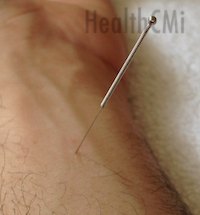
A major technology university has scientifically measured unique brain responses to manual acupuncture stimulation. De qi, sensations induced by specific manual needle stimulation techniques, is posited as having therapeutic effects within the Traditional Chinese Medicine (TCM) system and was the focus of the study. De qi is a combination of bodily sensations induced by acupuncture needling techniques combined with physiological responses to the stimulation. The researchers note that de qi sensation is often described as dull, heavy, deep pressure, pulling, numb, aching, spreading, radiating, electrical, refreshing, relieving and tingling. Application of P6 is shown in this photo with a filiform needle.
In this new study conducted at the Huazhong University of Science and Technology, researchers measured de qi’s relationship to changes in blood flow, tissue displacement, myoelectricity and brain MRI signals. As a result, the research team notes that they have demonstrated measurable and repeatable “intrinsic change(s) of (the) human body” induced by de qi during acupuncture. The team added that the “study demonstrated that de qi elicited significant response(s) to acupuncture in the specific brain regions….”
In a related study, researchers note that achieving de qi at acupuncture points elicits distinctly different cortical responses than at non-acupuncture points. The researchers suggest that these findings point to de qi having a different effect on the central nervous system dependent on the acupuncture points chosen. Specific acupuncture points demonstrate a consistent and unique ability to stimulate specific brain regions upon de qi stimulation. By contrast, non-acupuncture points did not induce unique responses.
Another investigation of acupuncture connects modern research with the traditional inducement of deqi. Researchers from the Beijing University of Chinese Medicine, Medimar International Hospital and the European Foundation of TCM performed a meta-analysis of the medical implications of de qi. The findings suggest a direct correlation between ancient acupuncture techniques and improved positive patient outcomes. 
These are points on the back at UB13, UB15 and UB18.
These investigations connect ancient TCM teachings dating back to the Nei Jing Su Wen with modern scientific findings. Eliciting de qi responses was posited as having medically beneficial effects over 1,000 years ago. Now, modern scientific equipment allows researchers to test this theory. These initial investigations show that de qi is linked to clinically positive patient outcomes.
References:
Tian, Dai-Shi, Jin Xiong, Qing Pan, Fang Liu, Lu Wang, Sha-Bei Xu, Guang-Ying Huang, and Wei Wang. "De Qi, a Threshold of the Stimulus Intensity, Elicits the Specific Response of Acupoints and Intrinsic Change of Human Brain to Acupuncture." Evidence-Based Complementary and Alternative Medicine 2014 (2014).
Zhu, Shi-Peng, Li Luo, Ling Zhang, Song-Xi Shen, Xiao-Xuan Ren, Meng-Wei Guo, Jia-Min Yang et al. "Acupuncture DE-qi: from Characterization to Underlying Mechanism."
Chen, Sheng, Shengnan Guo, Federico Marmori, Yanping Wang, Qi Zhao, Baokai Wang, Eunhae Ha et al. "Appraisal of the De qi Concept among Contemporary Chinese Acupuncturists."

Monday, 6 February 2017

Acupuncture improves effectiveness of standard treatment for chronic pain and depression


Health specialists at the University of York have found than acupuncture treatment can boost the effectiveness of standard medical care, lessening the severity of chronic pain and depression.
In a report published in the National Institute for Health Research (NIHR) Journals Library, the researchers showed that there is significant evidence to demonstrate that acupuncture provides more than a placebo effect.
Professor of Acupuncture Research, Hugh MacPherson, working with a team of scientists from the UK and US, brought together the results of 29 high quality clinical trials focused on patients treated with acupuncture and standard medical care.
In the majority of these trials, patients with chronic pain treated with acupuncture and standard medical care were tested against those who were provided with standard medical care alone, such as anti-inflammatory drugs and physiotherapy.  The trials involved approximately 18,000 patients diagnosed with chronic pain of the neck, lower back, head, and knee.
The report shows that the addition of acupuncture compared to standard medical care alone significantly reduced the number of headaches and migraine attacks and reduced the severity of neck and lower back pain.  It also showed that acupuncture reduced the pain and disability of osteoarthritis, which led to patients being less reliant on anti-inflammatory tablets to control pain.
The study also concluded that acupuncture is cost effective, with the value for money being rated as less than the threshold of £20,000 cost per quality of life year - a metric for cost-effectiveness used by the National Institute for Health and Care Excellence (NICE).
Professor MacPherson, from the University of York's Department of Health Sciences, said: "There has been an increase in practitioners using acupuncture as an intervention.  Approximately four million acupuncture treatments are provided a year in the UK, but the evidence to show how clinically effective this form of treatment is has been limited.
"There has been a question mark for many years over whether policy and decision makers should or should not provide wider access to acupuncture. Our aim was to bring together data from high quality clinical trials and provide a robust evidence base that will help reduce this uncertainty and support commissioners and health professionals in making informed decisions backed up with research."

In a study of 755 patients with depression in the North of England, researchers showed that both acupuncture and counselling significantly reduced the severity of depressions and that these benefits were largely sustained for up to 12 months after treatment.The team also conducted a new clinical trial for depression, where acupuncture or counselling was provided and compared to the effectiveness of medication, such as antidepressants.
Professor MacPherson said: "The front-line treatment for depression in primary care usually involves antidepressants; however, they do not work well for more than half of patients.
"In the largest study of its kind, we have now provided a solid evidence base to show that not only can acupuncture and counselling bring patients out of an episode of depression, but it can keep the condition at bay for up to a year on average."
The benefits of acupuncture are partially associated with placebo effects, which has contributed to the uncertainty around acupuncture's clinical effectiveness. Professor MacPherson states, however, that this new research provides definitive evidence that when acupuncture is used to treat chronic pain, the reductions in pain are substantially more than those measured from sham (placebo) acupuncture.
Used only in clinical trials for research purposes, sham acupuncture involves inserting needles at the 'wrong' locations, or using non-inserted needles (fake needles) at the correct locations. That 'true' acupuncture has significantly more effect in reducing pain than sham acupuncture, provides evidence that acupuncture is not simply a placebo effect.
Professor MacPherson added: "Our new data provides a significant step forward in treating chronic pain and managing depression, because patients and health professionals can now make decisions on acupuncture with more confidence. Not only is it more cost effective, but it reduces pain levels and improves mood levels, which could reduce over reliance on drugs that can sometimes result in unwanted side effects."

Thursday, 5 January 2017

Happy New Year!!
As of January this year I will also be available at Clinica La Ermita, Dr. Erik Rempt's practice.
For Appointments there, please call 966 46 21 12.


http://www.clinica-la-ermita.eu

Monday, 13 June 2016

ACUPUNCTURE AND POST-OPERATIVE PAIN

Pain after surgery is common, often severe and largely unnecessary. Effective relief of post-operative pain is vital, and not just for humanitarian reasons. Such pain probably prolongs hospital stay, as it can affect all organ systems, including: respiratory (e.g. reduced cough, sputum retention, hypoxemia); cardiovascular (e.g. increased myocardial oxygen consumption, ischemia);
gastrointestinal (e.g. decreased gastric emptying, reduced gut motility, constipation); genitourinary (e.g. urinary retention); neuroendocrine (e.g. hyperglycemia, protein catabolism, sodium retention); musculoskeletal (e.g. reduced mobility, pressure sores, increased risk of DVT); and psychological (e.g. anxiety, fatigue). There is now evidence that post-operative pain relief has
significant physiological benefit (Charlton 1997). Not only can it result in earlier discharge from hospital, but it may also reduce the onset of chronic pain syndromes. Nevertheless, post-operative pain remains grossly under treated, with up to 70% of patients reporting moderate to severe pain following surgery

How acupuncture can help

Systematic reviews suggest that acupuncture and ear acupuncture are useful adjunctive treatments for post-operative pain management (Sun 2008; Usinchenko 2008). Several recent randomized controlled trials have found acupuncture and electro acupuncture to reduce post-operative pain, the use of patient-controlled analgesia (opioids), and post-operative nausea and vomiting (Salmeddini 2010; Larson 2010; Parthasarathy 2009; Wu 2009; Grube 2009; Wong 2006).
In general, acupuncture is believed to stimulate the nervous system and cause the release of neurochemical messenger molecules. The resulting biochemical changes influence the body's homeostatic mechanisms, thus promoting physical and emotional well-being. Stimulation of certain acupuncture points has been shown to affect areas of the brain that are known to reduce sensitivity to pain and stress, as well as promoting relaxation and deactivating the ‘analytical’ brain, which is responsible for anxiety


About traditional acupuncture

Acupuncture is a tried and tested system of traditional medicine, which has been used in China and other eastern cultures for at least 2thousand years to restore, promote and maintain good health. Its benefits are now widely acknowledged all over the world and
in the past couple of decade traditional acupuncture has begun to feature more prominently in mainstream healthcare in the west. In conjunction with needling, the practitioner may use techniques such as moxibustion, cupping, massage or electro-acupuncture. They may also suggest dietary or lifestyle changes.

Traditional acupuncture takes a holistic approach to health and regards illness as a sign that the body is out of balance. The exact pattern and degree of imbalance is unique to each individual. The traditional acupuncturist’s skill lies in identifying the precise nature of the underlying disharmony and selecting the most effective treatment.
The choice of acupuncture points will be specific to each patient’s needs.
Traditional acupuncture can also be used as a preventive measure to strengthen the constitution
and promote general well-being.


An increasing weight of evidence from Western scientific research  is demonstrating the effectiveness of acupuncture for treating a wide variety of conditions.
From a biomedical viewpoint, acupuncture is believed to stimulate the nervous system, influencing the production of the body’s communication substances hormones and neurotransmitters. The resulting biochemical changes activate the body's self regulating homeostatic systems, stimulating its natural healing abilities and promoting physical and emotional well –being


Wednesday, 13 January 2016

Acupuncture De Qi sensations now quantifiable!


A major technology university has scientifically measured unique brain responses to manual acupuncture stimulation. De qi, sensations induced by specific manual needle stimulation techniques, is posited as having therapeutic effects within the Traditional Chinese Medicine (TCM) system and was the focus of the study. De qi is a combination of bodily sensations induced by acupuncture needling techniques combined with physiological responses to the stimulation. The researchers note that de qi sensation is often described as dull, heavy, deep pressure, pulling, numb, aching, spreading, radiating, electrical, refreshing, relieving and tingling.

In this new study conducted at the Huazhong University of Science and Technology, researchers measured de qi’s relationship to changes in blood flow, tissue displacement, myoelectricity and brain MRI signals. As a result, the research team notes that they have demonstrated measurable and repeatable “intrinsic change(s) of (the) human body” induced by de qi during acupuncture. The team added that the “study demonstrated that de qi elicited significant response(s) to acupuncture in the specific brain regions….”

In a related study, researchers note that achieving de qi at acupuncture points elicits distinctly different cortical responses than at non-acupuncture points. The researchers suggest that these findings point to de qi having a different effect on the central nervous system dependent on the acupuncture points chosen. Specific acupuncture points demonstrate a consistent and unique ability to stimulate specific brain regions upon de qi stimulation. By contrast, non-acupuncture points did not induce unique responses.

Another investigation of acupuncture connects modern research with the traditional inducement of deqi. Researchers from the Beijing University of Chinese Medicine, Medimar International Hospital and the European Foundation of TCM performed a meta-analysis of the medical implications of de qi. The findings suggest a direct correlation between ancient acupuncture techniques and improved positive patient outcomes.

These investigations connect ancient TCM teachings dating back to the Nei Jing Su Wen with modern scientific findings. Eliciting de qi responses was posited as having medically beneficial effects over 1,000 years ago. Now, modern scientific equipment allows researchers to test this theory. These initial

investigations show that de qi is linked to clinically positive patient outcomes.

References: Tian, Dai-Shi, Jin Xiong, Qing Pan, Fang Liu, Lu Wang, Sha-Bei Xu, Guang-Ying Huang, and Wei Wang. "De Qi, a Threshold of the Stimulus Intensity, Elicits the Specific Response of Acupoints and Intrinsic Change of Human Brain to Acupuncture." Evidence-Based Complementary and Alternative Medicine 2014 (2014).

Zhu, Shi-Peng, Li Luo, Ling Zhang, Song-Xi Shen, Xiao-Xuan Ren, Meng-Wei Guo, Jia-Min Yang et al. "Acupuncture DE-qi: from Characterization to Underlying Mechanism."

Chen, Sheng, Shengnan Guo, Federico Marmori, Yanping Wang, Qi Zhao, Baokai Wang, Eunhae Ha et al. "Appraisal of the De qi Concept among Contemporary Chinese Acupuncturists."

Acupuncture De Qi Sensations Now Quantifiable SOURCE: http://www.healthcmi.com/Acupuncture-Continuing-Education-News/1348-acupuncture-de-qi-sensations-now-quantifiable