About Me

- Robert Vandevelde
- Javea, Alicante, Spain
- I graduated from Acupuncture Colleges Sydney in 1982 and have been in private practice since.I have also been a lecturer at said college and internationally for a number of years as well as a board member of the Australian Acupuncture and Chinese medicine Association (AACMA)including 2 terms as national president. Moved to Spain in 2001 and set up practice in Javea and Moraira (Alicante) Modalities: Acupuncture, Chinese herbs, manipulative therapy and veterinary Acupuncture. Fellow AACMA. Honorary member Acupuncture Ethics and Standards Organization. Active member World Federation of Acupuncture Societies.
Saturday, 4 April 2020

Monday, 11 March 2019
Acupuncture treatment of Hemiplegia:
Reasons why Acupuncture is effective:
Acupuncture improves bloodflow to the main cerebral blood vessels and especially their smaller arterioles. These effects can assist in treating vascular thrombosis and vascular hemorrhage. The improved cerebral small vessel flow can help to resuscitate areas of brain damage due to the stroke.
Also Acupuncture stimulates via the innervation of blood vessels, this also helps to improve blood flow.
Acupuncture can generally improve the strength of blood flow to overcome blood stagnation, thus improving flow to the damaged area of the brain.
Research has also shown that Acupuncture can reduce the blood coagulation, thus assisting in reducing blood clots.
The earlier the treatment starts the better.
Prognosis:
Depend on type, location and size of Cerebral vascular accident.
Timing of treatment.
Earlier and correct treatment improves prognosis.
Emotional stress factors.
Acupuncture methods:
4 stages:
1st stage: Within first month of stroke. Mainly scalp Acupuncture plus Physiotherapy and some body Acupuncture.
2nd stage: 1st-3rd month post stroke. Scalp and body Acupuncture plus Physio.
3rd stage: 3rd to 6th month post stroke. Mainly body Acupuncture plus Physio.
4rd stage: After 6 months post stroke.Symptomatic treatment for Hemiplegia, Speech difficulties, facial paralysis and Hemiparesis.
Thursday, 13 September 2018
IMMUNE DEFICIENCY AND
TRADITIONAL CHINESE MEDICINE
The following is an extract of an article
written by a colleague of mine, Dr. Wei
Liu.
Nothing is more important to your health than
a well-functioning immune system. Such ailments and diseases as the common
cold, infections, asthma, food allergies, rheumatoid arthritis, and even cancer
are all related to immune system dysfunction. Immuno-deficiency is a condition
in which the immune system is suppressed by certain factors, making you
vulnerable to disease and infection. It is one of many disorders related to the
immune system.
It is clear from Chinese medicine textbooks
that Chinese medicine practitioners have been dealing with immune system
disorders for at least 2000 years. The symptoms that are described are those of
immune deficiency, allergic reactions, and auto immune disease. Effective
treatments included natural herbs, dietary therapy, acupuncture and Tai Chi.
These treatments are especially effective because they focus on strengthening
the immune system and stimulating the body’s natural defence mechanisms.
Preventing disease and maintaining wellness
are deeply rooted in the philosophy of Traditional Chinese Medicine (TCM). The
idea of taking care of one’s body, and of forestalling illness before it
manifests has become part of Chinese culture. There, you will see people
drinking ginseng herbal tea with their breakfast, having astragalus chicken
soup in a restaurant for lunch, and cooking chiitake mushroom stir-fry for
their dinner. It is very common for Chinese people to get regular Acupuncture
treatments for the purpose of enhancing their immune system.
Diet and nutrition
Shiitake mushroom is one of the leading foods
recommended by TCM practitioners for enhancing immunity. It contains lentinin,
an anti-viral substance which has a strong immuno-stimulating activity. These
brown, beefy-tasting mushrooms are used as a substitute for meat in the Chinese
diet. Besides shiitake, other foods that are wonderful for our immune systems
are garlic, sesame seeds, yogurt, and certain fruits and vegetables. The
micro-nutrients beta carotene, zinc, and vitamins A, E, and C are also key
elements in strengthening our immune system.
Chinese herbs and herbal formulas
Many Chinese herbs have strong immunity-
enhancing effects. Astragalus (Huang Qi) is very well known for its powerful ‘’
non-specific’’ immune system stimulating capacity, which works by increasing
the numbers and activity of roving white blood cells. A study conducted at the University of Texas Medical Centre Houston
Ginseng (Ren Shen) is the most popular
Chinese Herb on the market today (also the most abused). It is widely used as
an immune system enhancer, and also as a general tonic. Most people do not
know, however, that there are several types of ginseng available, including
Chinese, Korean, American and Siberian ginseng. Each of these varieties has a
different property, and it is wise to consult with your TCM practitioner to
determine which type is best for you.
Literally hundreds of studies have been done
on ginseng, and it has been found to have the following properties: It protects
the liver, stimulates the immune system, prevents radiation damage to nerve
tissue, has antioxidant effects, and prevents cancer. There are a number of
ginseng products on the market these days, but best results can be obtained
with a traditional formula like Shi Quan Da Bu Wan which has been used for a
thousand years to treat immune deficiency and fatigue. Ginseng is the main herb
in this one. It is also popular with post cancer patients receiving Chemo- or
radiation therapy.
Acupuncture
Acupuncture is another powerful tool to
regulate the immune system. Research has shown that acupuncture treatments can
increase the body’s T-cell* count, as well as the number of cells that ingest
and destroy bacteria, protozoa, and debris cells. A study has shown that white
blood cell count and mobility increased by 168% within 3 hours after Acupuncture
treatment. Many people are beginning to realize that regular Acupuncture
treatments can help regulate immune function and treat the fundamental cause of
disease.
* T-cell: A type of white blood cell that is of key
importance to the immune system and is at the core of adaptive immunity, the
system that tailors the body’s immune response to specific pathogens. T-cells
are also known as T-lymphocytes. T stands for Thymus, the organ in which these
cells mature.
Wednesday, 6 June 2018

Monday, 11 December 2017
Acupuncture outmatches drugs for IBS
Acupuncture and Chinese herbal medicine are found effective for the alleviation of IBS (irritable bowel syndrome). Two independent investigations confirm that acupuncture, as a standalone therapy, or acupuncture combined with the herbal formula Si Shen Wan (Four Miracle Pill) is safe and effective. Additionally, investigators confirm that acupuncture is more effective than loperamide, a synthetic opiate used to control diarrhea by inhibiting peristalsis (wavelike intestinal constriction and relaxation).
Heilongjiang Traditional Chinese Medicine Hospital researchers determined that acupuncture, as a standalone therapy, produces a 92.19% total effective rate for the treatment of IBS. A group receiving loperamide plus Si Shen Wan achieved a 72.88% total effective rate. The acupuncture group outperformed the drug plus herbs group by 19.39%. The total effective rate includes all patients that completely recovered or those that had significant relief of symptoms with less frequency of IBS and improved daily life activity functioning.
In an independent investigation, Chongqing Nanchuan Traditional Chinese Medicine Hospital researchers determined that acupuncture plus Si Shen Wan is more effective than loperamide plus Si Shen Wan. Acupuncture plus Si Shen Wan was significantly more effective for the reduction of abdominal pain and discomfort and also for controlling bouts of excessive bowel movement frequency than loperamide plus Si Shen Wan. Acupuncture plus herbs was also successful in improving stool consistency and appearance, bloating, and fecal incontinence whereas the drug plus herbs group did not show significant improvements in these areas.
An SF-6 health survey (a variant of the SF-36), reveals that acupuncture plus herbs produces additional advantages over drugs plus herbs. Acupuncture plus herbs significantly improves the following: vitality, bodily pain levels, role limitations due to physical health, physical functioning, role limitations due to emotional health, mental health, social functioning. The drugs plus herbs group showed more modest improvements that were limited to only two of these areas of health: bodily pain levels, role limitations due to physical health.
An IBS-QOL (disease specific questionnaire) demonstrates additional advantages to acupuncture over drugs. Acupuncture plus herbs produced significant improvements in the following areas: interference with activity, dysphoria, health concern, body image, food avoidance. Drugs plus herbs produced a minor benefit for food avoidance only.
Wednesday, 13 September 2017

Friday, 10 February 2017
Acupuncture De Qi Sensations Now Quantifiable
A major technology university has scientifically measured unique brain responses to manual acupuncture stimulation. De qi, sensations induced by specific manual needle stimulation techniques, is posited as having therapeutic effects within the Traditional Chinese Medicine (TCM) system and was the focus of the study. De qi is a combination of bodily sensations induced by acupuncture needling techniques combined with physiological responses to the stimulation. The researchers note that de qi sensation is often described as dull, heavy, deep pressure, pulling, numb, aching, spreading, radiating, electrical, refreshing, relieving and tingling. 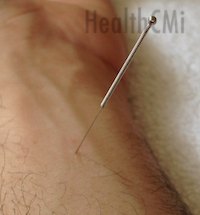
In this new study conducted at the Huazhong University of Science and Technology, researchers measured de qi’s relationship to changes in blood flow, tissue displacement, myoelectricity and brain MRI signals. As a result, the research team notes that they have demonstrated measurable and repeatable “intrinsic change(s) of (the) human body” induced by de qi during acupuncture. The team added that the “study demonstrated that de qi elicited significant response(s) to acupuncture in the specific brain regions….”
In a related study, researchers note that achieving de qi at acupuncture points elicits distinctly different cortical responses than at non-acupuncture points. The researchers suggest that these findings point to de qi having a different effect on the central nervous system dependent on the acupuncture points chosen. Specific acupuncture points demonstrate a consistent and unique ability to stimulate specific brain regions upon de qi stimulation. By contrast, non-acupuncture points did not induce unique responses.
Another investigation of acupuncture connects modern research with the traditional inducement of deqi. Researchers from the Beijing University of Chinese Medicine, Medimar International Hospital and the European Foundation of TCM performed a meta-analysis of the medical implications of de qi. The findings suggest a direct correlation between ancient acupuncture techniques and improved positive patient outcomes.
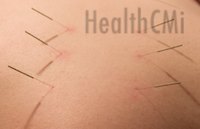
These investigations connect ancient TCM teachings dating back to the Nei Jing Su Wen with modern scientific findings. Eliciting de qi responses was posited as having medically beneficial effects over 1,000 years ago. Now, modern scientific equipment allows researchers to test this theory. These initial investigations show that de qi is linked to clinically positive patient outcomes.
References:
Tian, Dai-Shi, Jin Xiong, Qing Pan, Fang Liu, Lu Wang, Sha-Bei Xu, Guang-Ying Huang, and Wei Wang. "De Qi, a Threshold of the Stimulus Intensity, Elicits the Specific Response of Acupoints and Intrinsic Change of Human Brain to Acupuncture." Evidence-Based Complementary and Alternative Medicine 2014 (2014).
Tian, Dai-Shi, Jin Xiong, Qing Pan, Fang Liu, Lu Wang, Sha-Bei Xu, Guang-Ying Huang, and Wei Wang. "De Qi, a Threshold of the Stimulus Intensity, Elicits the Specific Response of Acupoints and Intrinsic Change of Human Brain to Acupuncture." Evidence-Based Complementary and Alternative Medicine 2014 (2014).
Zhu, Shi-Peng, Li Luo, Ling Zhang, Song-Xi Shen, Xiao-Xuan Ren, Meng-Wei Guo, Jia-Min Yang et al. "Acupuncture DE-qi: from Characterization to Underlying Mechanism."
Chen, Sheng, Shengnan Guo, Federico Marmori, Yanping Wang, Qi Zhao, Baokai Wang, Eunhae Ha et al. "Appraisal of the De qi Concept among Contemporary Chinese Acupuncturists."
Monday, 6 February 2017
Acupuncture improves effectiveness of standard treatment for chronic pain and depression
Health specialists at the University of York have found than acupuncture treatment can boost the effectiveness of standard medical care, lessening the severity of chronic pain and depression.
In a report published in the National Institute for Health Research (NIHR) Journals Library, the researchers showed that there is significant evidence to demonstrate that acupuncture provides more than a placebo effect.
Professor of Acupuncture Research, Hugh MacPherson, working with a team of scientists from the UK and US, brought together the results of 29 high quality clinical trials focused on patients treated with acupuncture and standard medical care.
In the majority of these trials, patients with chronic pain treated with acupuncture and standard medical care were tested against those who were provided with standard medical care alone, such as anti-inflammatory drugs and physiotherapy. The trials involved approximately 18,000 patients diagnosed with chronic pain of the neck, lower back, head, and knee.
The report shows that the addition of acupuncture compared to standard medical care alone significantly reduced the number of headaches and migraine attacks and reduced the severity of neck and lower back pain. It also showed that acupuncture reduced the pain and disability of osteoarthritis, which led to patients being less reliant on anti-inflammatory tablets to control pain.
The study also concluded that acupuncture is cost effective, with the value for money being rated as less than the threshold of £20,000 cost per quality of life year - a metric for cost-effectiveness used by the National Institute for Health and Care Excellence (NICE).
Professor MacPherson, from the University of York's Department of Health Sciences, said: "There has been an increase in practitioners using acupuncture as an intervention. Approximately four million acupuncture treatments are provided a year in the UK, but the evidence to show how clinically effective this form of treatment is has been limited.
"There has been a question mark for many years over whether policy and decision makers should or should not provide wider access to acupuncture. Our aim was to bring together data from high quality clinical trials and provide a robust evidence base that will help reduce this uncertainty and support commissioners and health professionals in making informed decisions backed up with research."
In a study of 755 patients with depression in the North of England, researchers showed that both acupuncture and counselling significantly reduced the severity of depressions and that these benefits were largely sustained for up to 12 months after treatment.The team also conducted a new clinical trial for depression, where acupuncture or counselling was provided and compared to the effectiveness of medication, such as antidepressants.
Professor MacPherson said: "The front-line treatment for depression in primary care usually involves antidepressants; however, they do not work well for more than half of patients.
"In the largest study of its kind, we have now provided a solid evidence base to show that not only can acupuncture and counselling bring patients out of an episode of depression, but it can keep the condition at bay for up to a year on average."
The benefits of acupuncture are partially associated with placebo effects, which has contributed to the uncertainty around acupuncture's clinical effectiveness. Professor MacPherson states, however, that this new research provides definitive evidence that when acupuncture is used to treat chronic pain, the reductions in pain are substantially more than those measured from sham (placebo) acupuncture.
Used only in clinical trials for research purposes, sham acupuncture involves inserting needles at the 'wrong' locations, or using non-inserted needles (fake needles) at the correct locations. That 'true' acupuncture has significantly more effect in reducing pain than sham acupuncture, provides evidence that acupuncture is not simply a placebo effect.
Professor MacPherson added: "Our new data provides a significant step forward in treating chronic pain and managing depression, because patients and health professionals can now make decisions on acupuncture with more confidence. Not only is it more cost effective, but it reduces pain levels and improves mood levels, which could reduce over reliance on drugs that can sometimes result in unwanted side effects."
In a report published in the National Institute for Health Research (NIHR) Journals Library, the researchers showed that there is significant evidence to demonstrate that acupuncture provides more than a placebo effect.
Professor of Acupuncture Research, Hugh MacPherson, working with a team of scientists from the UK and US, brought together the results of 29 high quality clinical trials focused on patients treated with acupuncture and standard medical care.
In the majority of these trials, patients with chronic pain treated with acupuncture and standard medical care were tested against those who were provided with standard medical care alone, such as anti-inflammatory drugs and physiotherapy. The trials involved approximately 18,000 patients diagnosed with chronic pain of the neck, lower back, head, and knee.
The report shows that the addition of acupuncture compared to standard medical care alone significantly reduced the number of headaches and migraine attacks and reduced the severity of neck and lower back pain. It also showed that acupuncture reduced the pain and disability of osteoarthritis, which led to patients being less reliant on anti-inflammatory tablets to control pain.
The study also concluded that acupuncture is cost effective, with the value for money being rated as less than the threshold of £20,000 cost per quality of life year - a metric for cost-effectiveness used by the National Institute for Health and Care Excellence (NICE).
Professor MacPherson, from the University of York's Department of Health Sciences, said: "There has been an increase in practitioners using acupuncture as an intervention. Approximately four million acupuncture treatments are provided a year in the UK, but the evidence to show how clinically effective this form of treatment is has been limited.
"There has been a question mark for many years over whether policy and decision makers should or should not provide wider access to acupuncture. Our aim was to bring together data from high quality clinical trials and provide a robust evidence base that will help reduce this uncertainty and support commissioners and health professionals in making informed decisions backed up with research."
In a study of 755 patients with depression in the North of England, researchers showed that both acupuncture and counselling significantly reduced the severity of depressions and that these benefits were largely sustained for up to 12 months after treatment.The team also conducted a new clinical trial for depression, where acupuncture or counselling was provided and compared to the effectiveness of medication, such as antidepressants.
Professor MacPherson said: "The front-line treatment for depression in primary care usually involves antidepressants; however, they do not work well for more than half of patients.
"In the largest study of its kind, we have now provided a solid evidence base to show that not only can acupuncture and counselling bring patients out of an episode of depression, but it can keep the condition at bay for up to a year on average."
The benefits of acupuncture are partially associated with placebo effects, which has contributed to the uncertainty around acupuncture's clinical effectiveness. Professor MacPherson states, however, that this new research provides definitive evidence that when acupuncture is used to treat chronic pain, the reductions in pain are substantially more than those measured from sham (placebo) acupuncture.
Used only in clinical trials for research purposes, sham acupuncture involves inserting needles at the 'wrong' locations, or using non-inserted needles (fake needles) at the correct locations. That 'true' acupuncture has significantly more effect in reducing pain than sham acupuncture, provides evidence that acupuncture is not simply a placebo effect.
Professor MacPherson added: "Our new data provides a significant step forward in treating chronic pain and managing depression, because patients and health professionals can now make decisions on acupuncture with more confidence. Not only is it more cost effective, but it reduces pain levels and improves mood levels, which could reduce over reliance on drugs that can sometimes result in unwanted side effects."
Thursday, 5 January 2017
Tuesday, 16 August 2016
Monday, 13 June 2016
ACUPUNCTURE AND POST-OPERATIVE PAIN
Pain after surgery is common, often severe
and largely unnecessary. Effective relief of post-operative pain is vital, and
not just for humanitarian reasons. Such pain probably prolongs hospital stay, as it
can affect all organ systems, including: respiratory (e.g. reduced cough,
sputum retention, hypoxemia); cardiovascular (e.g. increased myocardial
oxygen consumption, ischemia);
gastrointestinal (e.g. decreased gastric
emptying, reduced gut motility, constipation); genitourinary (e.g. urinary
retention); neuroendocrine (e.g. hyperglycemia, protein catabolism, sodium
retention); musculoskeletal (e.g. reduced mobility, pressure sores, increased
risk of DVT); and psychological (e.g. anxiety, fatigue). There is now evidence
that post-operative pain relief has
significant physiological benefit (Charlton
1997). Not only can it result in earlier discharge from hospital, but it may also
reduce the onset of chronic pain syndromes. Nevertheless, post-operative
pain remains grossly under treated, with up to 70% of patients reporting
moderate to severe pain following surgery
How acupuncture
can help
Systematic reviews suggest that acupuncture
and ear acupuncture are useful adjunctive treatments for post-operative
pain management (Sun 2008; Usinchenko 2008). Several recent randomized controlled
trials have found acupuncture and electro acupuncture to reduce
post-operative pain, the use of patient-controlled analgesia (opioids), and post-operative
nausea and vomiting (Salmeddini 2010; Larson 2010; Parthasarathy 2009; Wu 2009; Grube
2009; Wong 2006).
In general, acupuncture is believed to
stimulate the nervous system and cause the release of neurochemical messenger molecules.
The resulting biochemical changes influence the body's homeostatic
mechanisms, thus promoting physical and emotional well-being. Stimulation of certain
acupuncture points has been shown to affect areas of the brain that are known to reduce
sensitivity to pain and stress, as well as promoting relaxation and deactivating the
‘analytical’ brain, which is responsible for anxiety
About traditional
acupuncture
Acupuncture is a tried and tested system of
traditional medicine, which has been used in China and other eastern cultures for at
least 2thousand years to restore, promote and maintain good health. Its benefits are now
widely acknowledged all over the world and
in the past couple of decade traditional
acupuncture has begun to feature more prominently in mainstream healthcare in the west. In
conjunction with needling, the practitioner may use techniques such as moxibustion, cupping,
massage or electro-acupuncture. They may also suggest dietary or lifestyle changes.
Traditional acupuncture takes a holistic
approach to health and regards illness as a sign that the body is out of balance. The
exact pattern and degree of imbalance is unique to each individual. The traditional
acupuncturist’s skill lies in identifying the precise nature of the underlying disharmony
and selecting the most effective treatment.
The choice of acupuncture points will be
specific to each patient’s needs.
Traditional acupuncture can also be used as a
preventive measure to strengthen the constitution
and promote general well-being.
An increasing weight of evidence from
Western scientific research is
demonstrating the effectiveness of acupuncture for treating a wide variety of
conditions.
From a biomedical viewpoint, acupuncture is
believed to stimulate the nervous system, influencing the production of the body’s
communication substances hormones and neurotransmitters. The resulting
biochemical changes activate the body's self regulating homeostatic systems,
stimulating its natural healing abilities and promoting physical and emotional well –being
Tuesday, 26 April 2016
Wednesday, 13 January 2016
Acupuncture De Qi sensations now quantifiable!
A major technology university has scientifically measured
unique brain responses to manual acupuncture stimulation. De qi, sensations
induced by specific manual needle stimulation techniques, is posited as having
therapeutic effects within the Traditional Chinese Medicine (TCM) system and
was the focus of the study. De qi is a combination of bodily sensations induced
by acupuncture needling techniques combined with physiological responses to the
stimulation. The researchers note that de qi sensation is often described as
dull, heavy, deep pressure, pulling, numb, aching, spreading, radiating,
electrical, refreshing, relieving and tingling.
In this new study conducted at the Huazhong University of
Science and Technology, researchers measured de qi’s relationship to changes in
blood flow, tissue displacement, myoelectricity and brain MRI signals. As a
result, the research team notes that they have demonstrated measurable and
repeatable “intrinsic change(s) of (the) human body” induced by de qi during
acupuncture. The team added that the “study demonstrated that de qi elicited
significant response(s) to acupuncture in the specific brain regions….”
In a related study, researchers note that achieving de qi at
acupuncture points elicits distinctly different cortical responses than at
non-acupuncture points. The researchers suggest that these findings point to de
qi having a different effect on the central nervous system dependent on the
acupuncture points chosen. Specific acupuncture points demonstrate a consistent
and unique ability to stimulate specific brain regions upon de qi stimulation.
By contrast, non-acupuncture points did not induce unique responses.
Another investigation of acupuncture connects modern
research with the traditional inducement of deqi. Researchers from the Beijing
University of Chinese Medicine, Medimar International Hospital and the European
Foundation of TCM performed a meta-analysis of the medical implications of de
qi. The findings suggest a direct correlation between ancient acupuncture
techniques and improved positive patient outcomes.
These investigations connect ancient TCM teachings dating
back to the Nei Jing Su Wen with modern scientific findings. Eliciting de qi
responses was posited as having medically beneficial effects over 1,000 years
ago. Now, modern scientific equipment allows researchers to test this theory.
These initial
investigations show that de qi is linked to clinically
positive patient outcomes.
References: Tian, Dai-Shi, Jin Xiong, Qing Pan, Fang Liu, Lu
Wang, Sha-Bei Xu, Guang-Ying Huang, and Wei Wang. "De Qi, a Threshold of
the Stimulus Intensity, Elicits the Specific Response of Acupoints and Intrinsic
Change of Human Brain to Acupuncture." Evidence-Based Complementary and
Alternative Medicine 2014 (2014).
Zhu, Shi-Peng, Li Luo, Ling Zhang, Song-Xi Shen, Xiao-Xuan
Ren, Meng-Wei Guo, Jia-Min Yang et al. "Acupuncture DE-qi: from
Characterization to Underlying Mechanism."
Chen, Sheng, Shengnan Guo, Federico Marmori, Yanping Wang,
Qi Zhao, Baokai Wang, Eunhae Ha et al. "Appraisal of the De qi Concept
among Contemporary Chinese Acupuncturists."
Acupuncture De Qi Sensations Now Quantifiable SOURCE:
http://www.healthcmi.com/Acupuncture-Continuing-Education-News/1348-acupuncture-de-qi-sensations-now-quantifiable
Monday, 11 January 2016
Thursday, 5 November 2015
http://www.abc.net.au/4corners/stories/2015/09/28/4318883.htm
please take 45 minutes and look at the abuses of our healthcare system!!
please take 45 minutes and look at the abuses of our healthcare system!!
Thursday, 21 May 2015
Acupuncture as good as counseling for depression
People with depression may benefit as much from acupuncture as they do
from counseling, suggests a new study.
Researchers found one in three patients was no longer depressed after
three months of acupuncture or counseling, compared to one in five who received
neither treatment."For people who have depression, who have tried various
medical options, who are still not getting the benefit they want, they should
try acupuncture or counseling as options that are now known to be clinically
effective," said Hugh MacPherson, the study's lead author from the
University of York in the UK
Previous studies looking at whether acupuncture helps ease depression
have been inconclusive. Those studies were also small and didn't compare acupuncture
to other treatment options.
"What's more important for the patient is does it work in practice
and that is the question we were asking," MacPherson said.
For their study, he and his colleagues recruited 755 people with
moderate or severe depression. The researchers split participants into three
groups: 302 were randomly assigned to receive 12 weekly acupuncture sessions,
another 302 received weekly counseling sessions and 151 received usual care
only.
About 70 percent of people had taken antidepressants in the three months
before the study and about half reported taking pain medications. People did
not have to stop taking their medicine to participate in the study.
At the outset, participants had an average depression score of 16 on a
scale from 0 to 27, with higher scores symbolizing more severe depression. A 16
is considered moderately severe depression.
After three months, people assigned to the acupuncture group had an
average score of about 9 - on the higher end of the mild depression category.
Scores fell to 11 among members of the counseling group and about 13 in the
usual care group, both considered moderate depression.
Participants who received acupuncture or counseling saw larger
improvements over three months than those who had neither treatment. Those
benefits remained for an additional three months after the treatments stopped.
Sunday, 16 November 2014
New CT Scans Reveal Acupuncture Points
CT scans reveal anatomical structures of acupuncture points.  A CT (computerized tomography) scan is a series of X-rays used to create cross-sectional images. In this study published in the Journal of Electron Spectroscopy and RELATED
 Phenomena, researchers used in-line phase contrast CT imaging with synchrotron RADIATION on both non-acupuncture points and acupuncture points. The CT scans revealed clear distinctions between the non-acupuncture point and acupuncture point anatomical structures.
A CT (computerized tomography) scan is a series of X-rays used to create cross-sectional images. In this study published in the Journal of Electron Spectroscopy and RELATED Phenomena, researchers used in-line phase contrast CT imaging with synchrotron RADIATION on both non-acupuncture points and acupuncture points. The CT scans revealed clear distinctions between the non-acupuncture point and acupuncture point anatomical structures.
Acupuncture points have a higher density of micro-vessels and contain a large amount of involuted microvascular structures. The non-acupuncture points did not exhibit these properties.
The researchers note that the state-of-the-art CT imaging techniques used in this study allow for improved three-dimensional (3D) imaging of a large field of view without artifacts. This greatly improves imaging of soft tissue and allowed the researchers to make this important discovery.
The acupuncture points ST36 (Zusanli) and ST37 (Shangjuxu) were shown to have very distinct structural differences than surrounding areas. At the acupuncture points, microvascular densities with bifurcations “can be clearly seen around thick blood vessels” but non-acupuncture point areas showed few thick blood vessels and none showed fine, high density structures. The acupuncture points contained fine structures with more large blood vessels that are several dozen micrometers in size plus beds of high density vascularization of vessels 15-50 micrometers in size. This structure was not found in non-acupuncture point areas.
The researchers note that the size of an acupuncture point “can be estimated by the diameter of microvascular aggregations….” They also commented that other research has found unique structures of acupuncture points and acupuncture meridians using MRI (magnetic resonance imaging), infrared imaging, LCD thermal photography, ultrasound and other CT imaging methods. The researchers commented that many studies using these technological approaches have already shown that acupuncture points exist. They note that “the high brightness, wide spectrum, high collimation, polarization and pulsed structure of synchrotron RADIATION” facilitated their discovery. They concluded, “Our results demonstrated again the existence of acupoints, and also show that the acupoints are special points in mammals.”
” facilitated their discovery. They concluded, “Our results demonstrated again the existence of acupoints, and also show that the acupoints are special points in mammals.”
In another interesting study, researchers used an amperometric oxygen microsensor to detect partial oxygen pressure variations at different locations on the anterior aspect of the wrist. The researchers concluded that partial oxygen pressure is significantly higher at acupuncture points. Below are images from the study measuring the increase of partial oxygen pressure combined with an overlay of the local acupuncture point locations. The images map the Lung, Pericardium and Heart channels and their associated local points. Acupuncture points P7 and P6 clearly show high oxygen pressure levels as do the other acupuncture points in the region.
These measurements are not needled points but are natural resting states of acupuncture points absent stimulation. A truly unique finding, acupuncture points exhibit special oxygen characteristics. Acupuncture points and acupuncture channels are scientifically measurable phenomena in repeated experiments.


Wednesday, 5 November 2014
Acupuncture Reverses Brain Damage After Stroke
SOURCE: http://www.healthcmi.com/Acupuncture-Continuing-Education
PUBLICATION: Health CMI
A new MRI study finds acupuncture and electro acupuncture effective for treating brain tissue
injuries and neurological disorders caused by cerebral ischemia/reperfusion injury (CIRI).
This type of brain damage is caused by the return of blood circulation to the brain after a period of ischemia, restricted blood supply. The sudden return of blood to oxygen and circulation deprived brain tissues causes inflammation and oxidative stress. Acupuncture biochemically ameliorates this condition and reduces infarct (tissue necrosis due to circulation obstruction) size.
Consequently, acupuncture and electro acupuncture benefit the brain after a stroke due to ischemia.
Cerebral ischemia/reperfusion causes brain edema and swelling. This is caused by sequelae including increased permeability of the blood brain barrier, tissue inflammation and upregulation of the biochemicals matrix metalloproteinase 2 (MMP2) and aquaporin (AQP).
Researchers have discovered that acupuncture and electro acupuncture successfully regulate MMP2, AQP and inflammatory cell infiltration caused by CIRI.
The researchers added that acupuncture and electro acupuncture “significantly reduced infarct size and improved neurologic function.” As a result, the researchers conclude that acupuncture and electro acupuncture exert “neuroprotective actions” and may “find utility as adjunctive and complementary treatments to supplement conventional therapy for ischemic stroke.”
Scientific Data
Several types of evaluations confirmed the decrease in infarct size and successful regulation of biochemicals by acupuncture and electroacupuncture after CIRI. The researchers used microscopic evaluation, fMRI, hematoxylin-eosin staining, quantitative real-time polymerase chain reaction evaluation, immunofluorescence analysis, immunohistochemical analysis and western blot analysis. Subjective evaluation of neurological deficits was also evaluated.
The researchers conclude, “acupuncture and electroacupuncture are effective treatments for brain tissue injury and neurological deficits following CIRI in rats. Therefore, this study adds to the growing arsenal of research supporting the view that acupuncture and electroacupuncture, which are derived from Traditional Chinese Medicine, can serve as complementary and alternative treatments to supplement the conventional management of ischemic stroke.”
The study design was a laboratory rat experiment of middle cerebral artery occlusion causing cerebral ischemia/reperfusion. Acupuncture points GV20 and ST36 were applied. The results demonstrated several repeatable scientific phenomenon in fMRI imaging and biochemical analyses. GV20 and ST36 reduced infiltration of inflammatory cells, downregulated expression of proinflammatory enzyme MMP2, reduced expression of water channel proteins AQP4 and AQP9, reduced brain ischemia and decreased brain edema due to inflammation. Neurologic function was increased and verified by improved motor tests such as muscle status and movement capabilities; sensory tests including visual, tactile and proprioceptive evaluation; improvements in balance tests and improvements in reflex tests. Additionally, infarct size significantly reduced.
Friday, 24 October 2014
Does Acupuncture really work?
Yes. Over the past 3000 years, more
people have been successfully treated with Acupuncture than with all other
health modalities combined. During the last couple of decades, study after
study proves that Acupuncture really works.
As from the 1st of july
this year, the Australian government has added Acupuncture and Chinese medicine
as a registered medical modality. A first in the western world as far as I
know.
Does the patient have to believe in Acupuncture for it to work?
No. I have used Acupuncture on
horses, dogs and cattle for over 25 years. These animal patients do not
understand or believe in the process that helps them get better.
A positive attitude towards getting
better may reinforce the effects of the treatment received, just as a negative
attitude may hinder the effects of Acupuncture or any other treatment for that
matter.
What are the mechanisms of Acupuncture?
From a Chinese Medicine perspective,
thin needles are inserted in specific Acupuncture points along what we call
meridians through which energy (Qi) flows to all parts of the body.
A blockage that disrupts the flow of
Qi can lead to various ailments. A disruption in one channel or organ can lead
to disruptions in another organ or channel because according to Chinese
medicine everything in the human body is interconnected. By needling specific
points, the Qi can be influenced or moved from an area of excess to an area of
deficiency for example.
From a modern scientific point of
view, it is believed that the insertion of needles at certain areas of the body
either stimulate or inhibit the central nervous system. This in term influences
the internal organs via nerve reflex pathways. The nervous system also releases
chemicals, opioids and endorphins, which can dull pain and decrease symptoms of
a variety of conditions. Acupuncture is thought to cause a discharge of
chemicals and hormones that affect the body’s internal mechanism, promote a
natural healing process and bring about biochemical balance.
What are the benefits of Acupuncture?
· It improves or prevents a variety of
health conditions like osteoarthritis, headaches, infertility, sciatica, tennis elbow, emotional problems,
eye problems, labour induction, period problems etc.
· It is cost effective.
· There are virtually no risks or side
effects when performed by a fully qualified practitioner.
· It has a positive effect on body,
mind and spirit.
· It is used as a preventative medicine
· Acupuncture can enhance the immune
system
· It is a potent stress reliever.
· It increases mental clarity
· People who do not respond to
mainstream pain medication or treatment may
find relief of symptoms with Acupuncture.
Why is Acupuncture
still around today?
Because it has been effective for the last 2500 years!
Subscribe to:
Posts (Atom)